Tecnifibre TFight 305 ISOFLEX Review
A manoeuvrable, controlled and stable 98 sq in racket with excellent feel when you find the sweet spot.
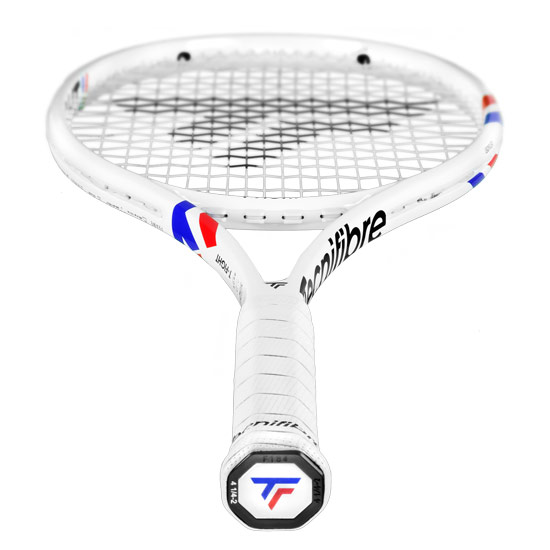
Reviewed racket
Specifications
Technology
What is special about it?
Tecnilab process
Tecnifibre describe Tecnilab as their method for working with players, gathering scientific data, quantifying what needs improving, and then building a technical solution into the racket. The useful point is that the TFight does not feel like random marketing: it feels like a frame designed around stability, feel and a cleaner response under pace.
ISOFLEX frame response
ISOFLEX is there to create a more consistent, stable response around the frame. For a one-handed backhand especially, that stiffness and support matter because you do not have a second hand helping the racket stay firm through contact.
18 x 19 pattern
The 18 x 19 string pattern gives extra control without feeling completely dead. You can really feel how string tension changes the response: tighter setups make it feel firmer, more stable and almost bat-like through the ball.
Feel
How it feels on court
In my opinion, the TFight 305 ISOFLEX feels manoeuvrable, solid and very connected. Forehands and volleys have a lot of feel, and the frame gives you the sense that the ball is sitting on the strings long enough for you to shape it. The balance does not feel heavily in the handle; it feels closer to even or slightly head-heavy, which is part of why it works so well for a one-handed backhand. You can drop the racket head easily, generate spin, and rip up the back of the ball without the frame feeling unstable.
Review notes
Personal review notes
Quick summary
The Tecnifibre TFight 305 ISOFLEX is the kind of racket that makes most sense for a player who already swings with decent speed and wants a cleaner, more controlled response from the baseline. It is not a beginner power frame, and that is exactly the point.
On court feel
The first thing you notice is the directional control. The frame feels stable through contact and rewards a committed swing. It gives enough help on defence, but it is clearly happier when the player is taking the ball early and looking to shape points.
Power, spin and control
Power is available, but it is not free power. Players who generate their own racket head speed will get a heavy ball from it. Spin access is solid rather than extreme, so string choice matters. A shaped poly or a slightly lower tension can open the racket up without making it feel vague.
Setup suggestion
For a control-focused club player, I would start with a medium-firm polyester around 48-52 lb, then adjust based on comfort and launch angle. If comfort is a concern, a hybrid setup makes more sense than forcing a stiff full poly setup.
Who should demo it?
This is worth trying if you like player frames, value control, and want something with a modern but still connected feel. If you want easy depth with a short swing, look elsewhere.
Admin verdict fields
Quick take
Main benefit
Excellent directional control and a clean, confident feel on committed groundstrokes.
Main downside
It asks for good timing and racket speed; it will not do much of the work for you.
Who it is for
Intermediate to advanced players who like control frames, take full swings and want a stable response through contact.
Who it is not for
Beginners, players with compact swings, or anyone who needs easy depth and free power from the racket.
Player fit
Who I would recommend it for
Good fit
- One-handed backhand players who want a manoeuvrable racket with stability through contact
- Players who like feeling the ball on forehands, volleys and touch shots
- Attackers who want control, feel and confidence when taking the ball early
- Players who can generate their own racket speed and want the frame to stay solid
- All-court players who want a racket that can absorb pace and redirect it cleanly
Less ideal
- Beginners who need easy depth
- Players who want lots of free power
- Players who want a huge, forgiving sweet spot
- Defensive players who rely on the racket doing more of the work from stretched positions
- Players with arm discomfort using stiff polyester at high tension
On-court feel
Forehands, volleys and fast balls
Forehands
The racket feels very manoeuvrable, with a lot of feel on forehands. You can shape the ball, drive through it, or rip up the back of it when you commit to the swing.
Volleys
Volleys feel solid and connected. It does not feel flimsy at the net, which helps when you are blocking pace or trying to keep the volley short and controlled.
Fast balls
Against faster balls, the frame absorbs pace surprisingly well. Once the racket starts to feel like an extension of your arm, it gives a lot of confidence redirecting heavy shots.
Backhand fit
One-handed and two-handed backhands
One-handed backhand
This is where the racket makes a lot of sense. The balance does not feel buried in the handle; it feels closer to even or slightly head-heavy, which helps the head drop and come up the back of the ball for spin.
Two-handed backhand
For two-handers, the stability still helps. The balance gives the racket enough presence through contact, although the strongest fit still feels like a player who wants feel and precision rather than easy power.
Frame support
The ISOFLEX stiffness around the frame is useful here. On a one-hander especially, you want the racket to stay firm and not twist or feel too flimsy when you only have one hand behind the shot.
String bed
Sweet spot, control and tension
Small but excellent sweet spot
The sweet spot feels excellent when you find it, but it is not huge. The 98 sq in head rewards clean contact more than it forgives lazy timing.
Tension feel
With the 18 x 19 pattern, you can clearly feel string tension changing the racket. Higher tension makes the response firmer, more controlled and more stable, almost like hitting with a wooden bat.
Control identity
This is not a free-power frame. Its best quality is the feeling that you can choose the shot once you are timing the ball well.
Opinion
Final thoughts
This is strictly my opinion from using and interpreting the racket. I would describe the TFight 305 ISOFLEX as a control and feel racket with serious stability when you hit the sweet spot. It is not the easiest racket for everyone, and the sweet spot does feel small, but when you are timing the ball well it becomes one of those frames where you feel like you can do almost anything with the shot.
A serious control racket with enough modern response to suit aggressive club players. The right string setup is important: go too stiff and it can feel demanding, but dial it in and it becomes a sharp, trustworthy match racket.
Some links on this page are affiliate links. RacketLogic may earn a small commission if you buy through these links, at no extra cost to you.